
Industry
Public Safety
Dependable video and data networks for police, fire services and emergency response.
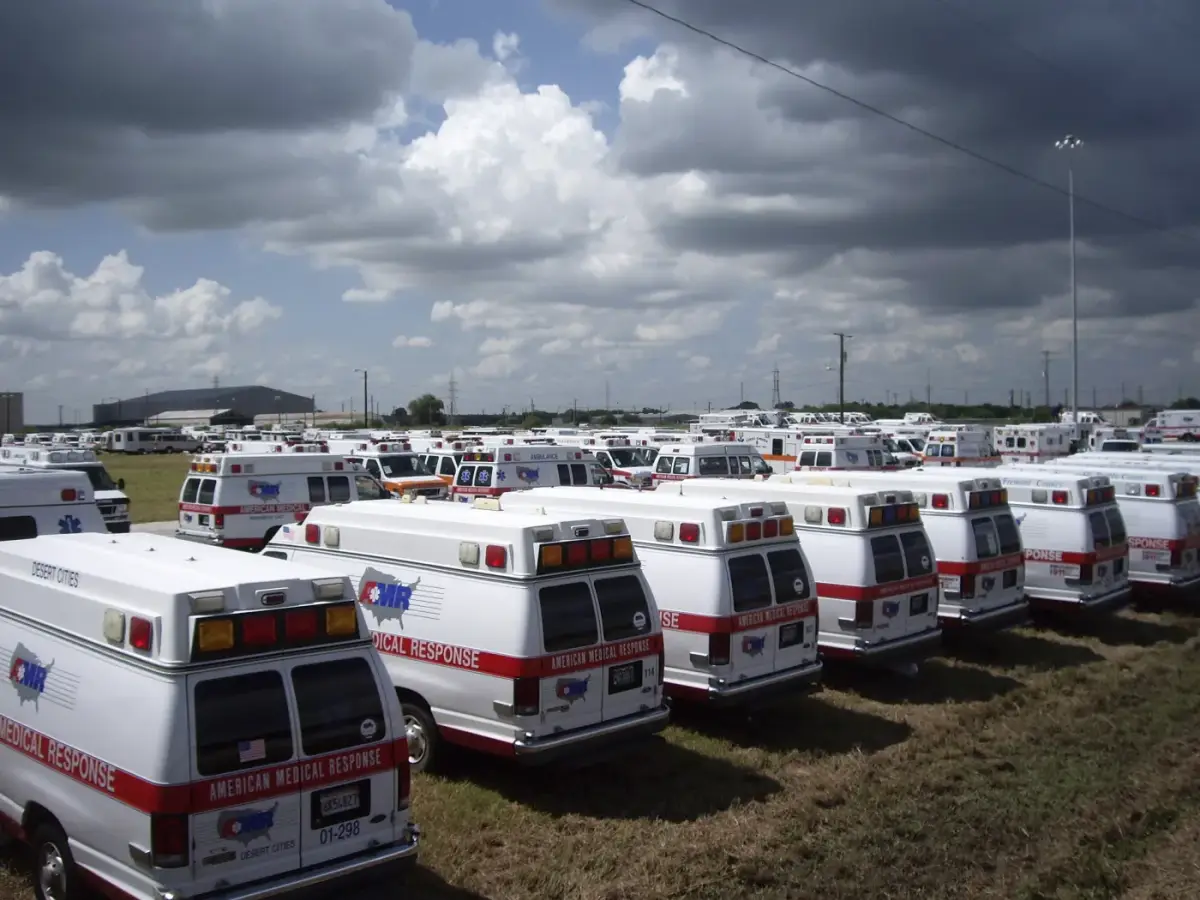
What the network needs to do
Public safety teams depend on footage being available and protected. Anywhere Networks provides private wireless networks with automatic recovery, and AES-128 on the wireless link with AES-256 end to end.
- Secure offload of in-vehicle and evidential video
- Surveillance at sites that are difficult to cable
- Encrypted transport for sensitive footage
- Fast recovery when a link fails
- Harsh outdoor operating conditions
Video from police and emergency vehicles
In-car cameras record hours of evidential footage each shift, and vehicles stop at the station only briefly. Fixed nodes with sector antennas cover the parking areas, and offload starts automatically when a vehicle arrives, with several vehicles transferring at once. A police force in the Middle East uses this design for vehicles that each record around 27 GB per shift, in heat of up to 65°C.
Town and city surveillance
Councils use wireless to put cameras where they are needed without digging up streets. Whitsunday Regional Council runs more than 100 HD cameras and a public announcement and alarm system on a dual-ring network in Airlie Beach, and Moreton Bay Regional Council connects more than 50 IP cameras across three sites for traffic monitoring and public safety.
Training grounds and secure sites
Sites such as academies and training grounds are often spread out and hilly, which makes cabling impractical. The Hong Kong Fire Services Training School has a completely cable-free surveillance system over a wireless mesh.
Emergencies and temporary operations
Wireless coverage can be set up on portable power at an incident scene. Hong Kong Police’s Disaster Victim Identification Unit has used temporary wireless coverage, set up within 15 minutes, to send information from officers’ tablets to a registration database.
Border and perimeter surveillance
Long-distance wireless links connect radars, cameras and security systems along borders and perimeters where there is no other infrastructure, as in border surveillance in Saudi Arabia.
Protected footage
Footage stays on a network the agency owns. Traffic is encrypted with AES-128 on the wireless link and AES-256 end to end, with client and neighbour MAC access control, and traffic moves to another path in under a second if a link fails.
Solutions for this industry
Customer stories
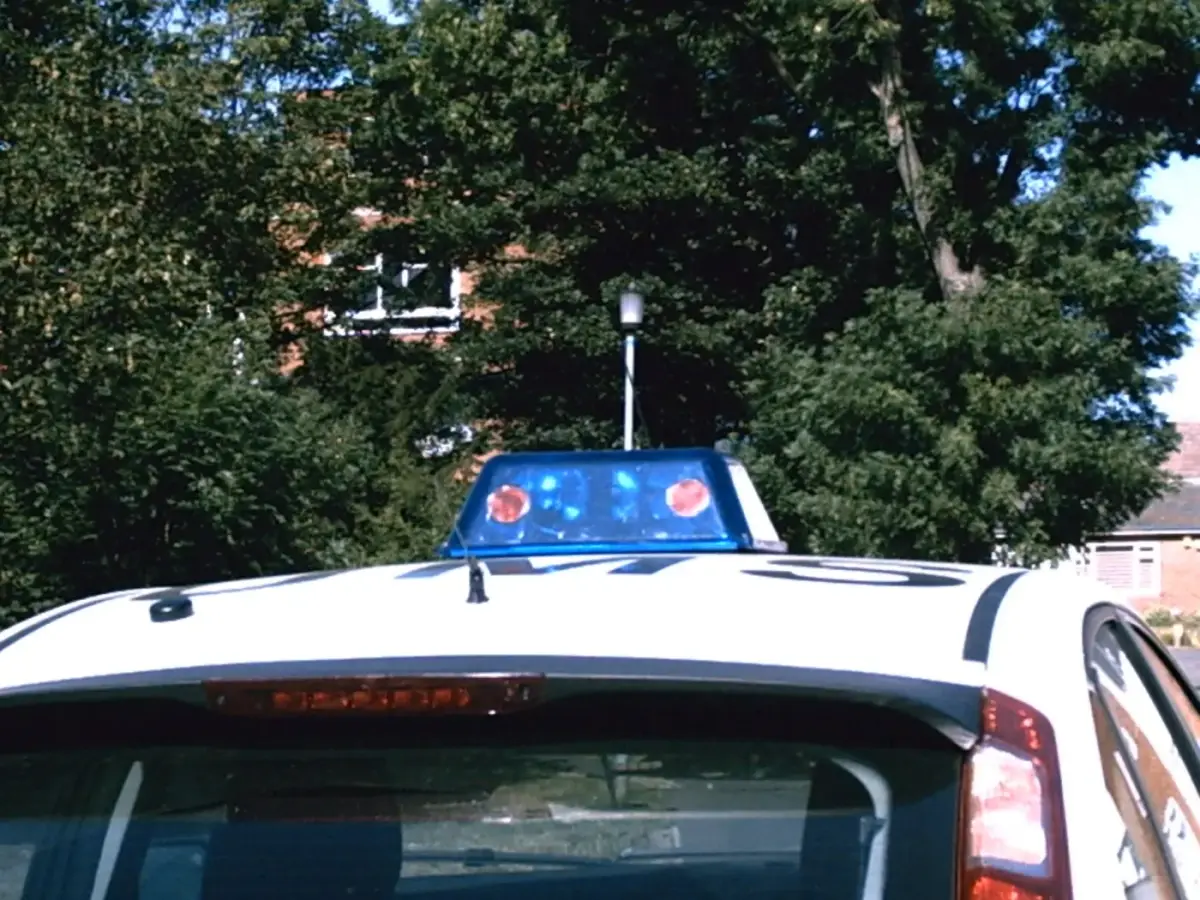
A Middle Eastern police force · Middle East
Secure video offload for a police vehicle fleet
Automated wireless offload of evidential video, designed around the short time each vehicle spends at the station.
Read the story →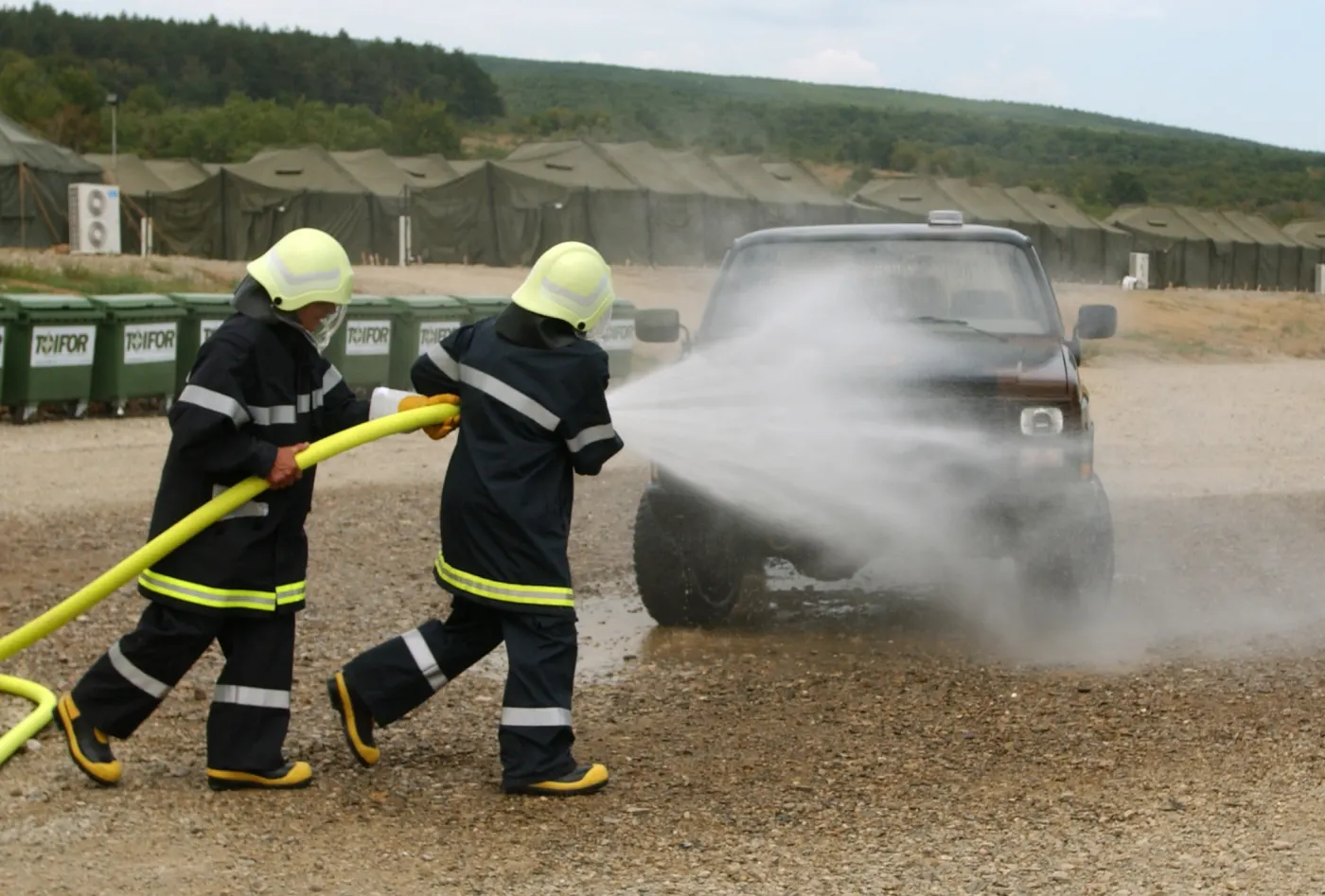
Hong Kong Fire Services Training School · Hong Kong
Trench-free video surveillance at a first responders’ academy
A completely cable-free surveillance system for a new academy on a hilly site.
Read the story →
Whitsunday Regional Council · Airlie Beach, Australia
More than 100 HD cameras on a dual-ring network
More than 100 HD cameras and a public announcement and alarm system on one dual-ring network, configured in days.
Read the story →Frequently asked questions
How is evidential video protected in transit?
With AES-128 on the wireless link and AES-256 end to end, on a private network the agency owns rather than a public mobile network.
How quickly can a temporary network be set up?
Event surveillance at the Geylang Serai Bazaar in Singapore was running within one day, and emergency coverage can be set up on portable power within minutes.
Can one network carry cameras and public announcements?
Yes. In Airlie Beach, the same network carries more than 100 HD cameras and the IP speakers of the public announcement and alarm system.
Further reading
Insight
Police Vehicle Video Offload: Moving Evidential Footage Securely
How police fleets can upload in-car video automatically at the station: data volumes, short stop times, security, and how to design the station network.
Read →Insight
Wireless Surveillance for Temporary Sites, Construction and Events
How to set up CCTV quickly where there is no permanent network: construction sites, festivals, events and emergencies, using a self-healing wireless mesh.
Read →Insight
What Is a Self-Healing Wireless Mesh?
How a self-healing wireless mesh keeps traffic moving when a link fails: multiple paths, automatic rerouting, path selection, multi-hop capacity and uses.
Read →Talk to us about public safety connectivity
Our team can help you work out the right solution for your site.