
Industry
Manufacturing & Construction
Wireless networks for plants, steelworks and construction sites, where layouts change and cabling is hard.
What the network needs to do
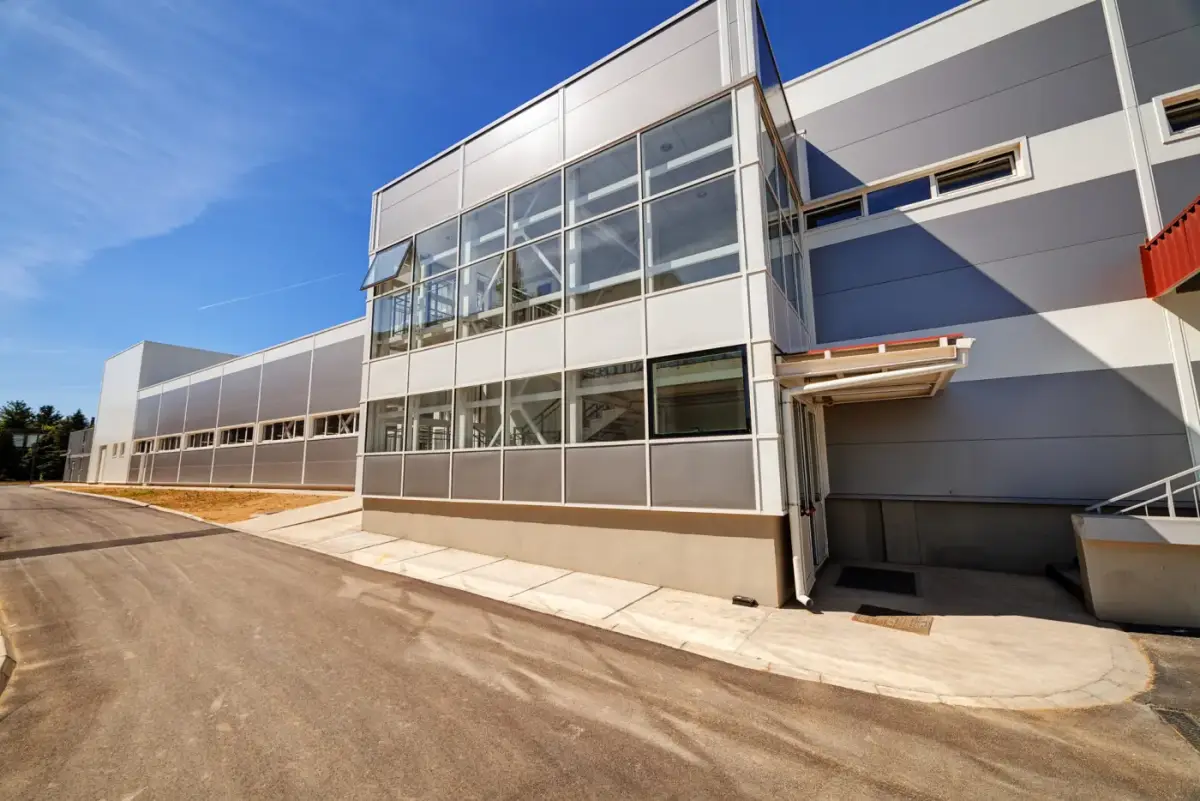
Plants and construction sites keep changing shape. A wireless network can be installed without civil work and can be moved or extended as the layout evolves, carrying operational and security data together.
- Sensors and industrial IoT devices
- Autonomous vehicles and automated guided vehicles
- Video surveillance and access control
- Site safety and hazard monitoring
- Connectivity that adapts as a site changes
Construction sites
A construction site changes every week, so line of sight comes and goes and cables end up in the wrong place. On the King Abdul Aziz Road project in Makkah, four solar-powered wireless mesh rings connect 60 full HD cameras at up to 28 locations, and each location only needs line of sight to the next. The network can be extended as buildings grow taller, and moved to the next project when this one ends.
Cranes and heavy industry
Tower cranes and gantry cranes carry cameras and sensors that must stay connected while they move. At a POSCO steelworks in South Korea, moving tower cranes are connected in a mesh network that carries video and IoT data, and the deployment has continued to expand.
Plants and factories
Factory layouts change as lines are added or moved. A wireless network connects sensors, cameras, access control and automated equipment without new cabling, and nodes can be relocated with the equipment they serve.
One network for the site
Video surveillance, access control, IoT gateways, public address and site Wi-Fi access points can share one network. It behaves like a Layer 2 switch with its ports spread across the site, so existing equipment connects as it would over Ethernet.
Fast to set up
A hospital construction site in Sweden went from setup and training to working video surveillance in less than 12 hours, using a 5-hop mesh ring on poles and rooftops.
Solutions for this industry
Customer stories
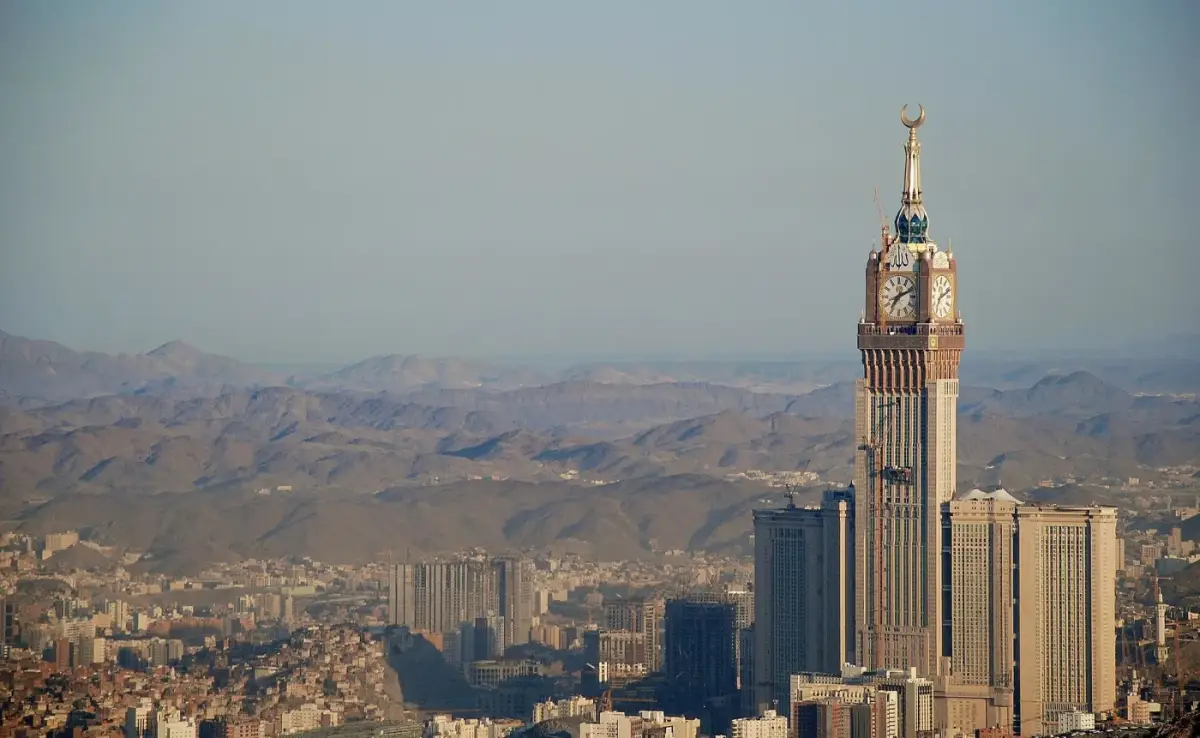
Umm Al Qura, Jabal Omar project · Mecca, Saudi Arabia
Solar-powered wireless surveillance for a major construction project
Solar-powered wireless rings carrying 60 full HD cameras across a construction site where line of sight kept changing.
Read the story →
POSCO Steel · South Korea
Reliable data and video from moving tower cranes
A mesh network connecting moving cranes, replacing existing connectivity products.
Read the story →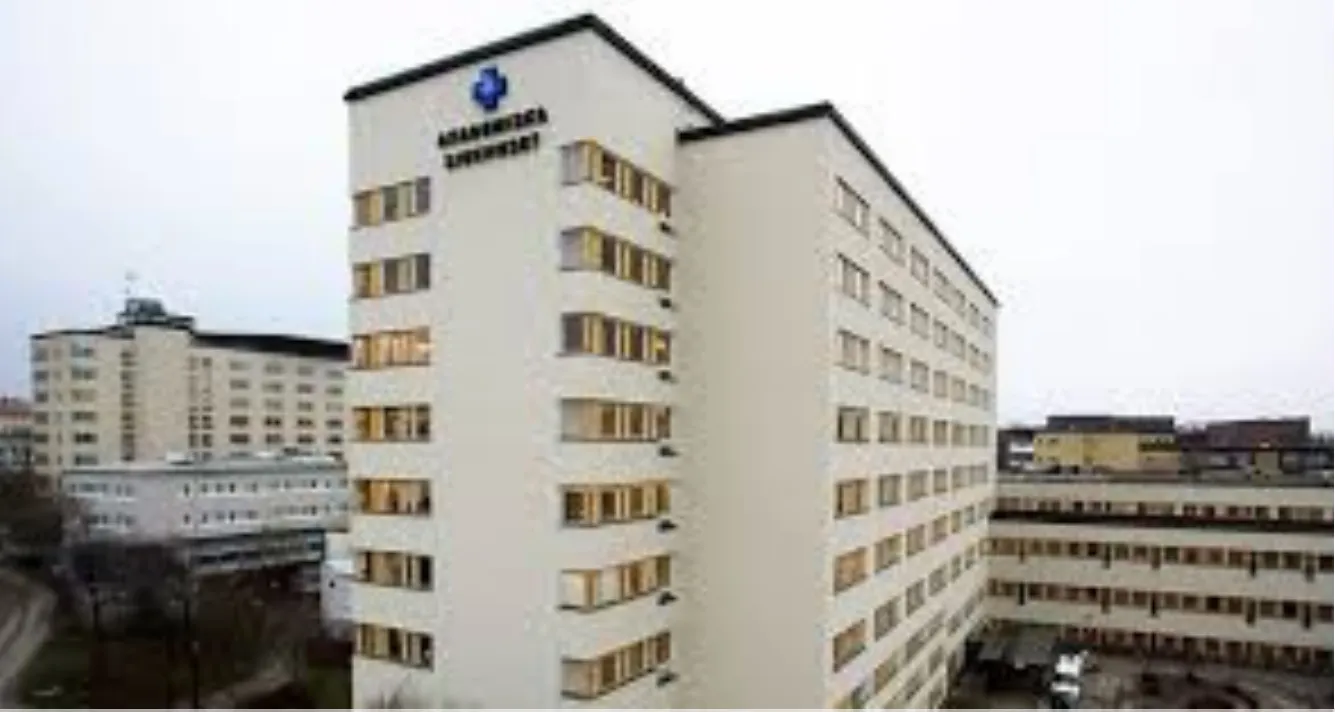
Akademiska Hospital · Sweden
Video surveillance for a hospital construction site in under 12 hours
A 5-hop mesh ring on poles and rooftops, with no clear line of sight from the control room.
Read the story →Frequently asked questions
Can the network follow the site as it changes?
Yes. Nodes can be moved or added as buildings rise and layouts change, and the mesh finds new paths automatically.
Does it work with cameras from different vendors?
Yes. The network is Layer 2 transparent, so IP cameras and video management systems connect as they would over Ethernet. The Makkah project runs PTZ and fixed cameras from different vendors.
Can cranes stay connected while they move?
Yes. Nodes on the crane run in mobile mode and hand over between fixed nodes typically within 5 ms, either as the main link or as a backup for fibre.
Further reading
Solution note
Construction
Site safety and data connectivity for changing construction sites.
Download PDF →Insight
Wireless Surveillance for Temporary Sites, Construction and Events
How to set up CCTV quickly where there is no permanent network: construction sites, festivals, events and emergencies, using a self-healing wireless mesh.
Read →Insight
Seamless Handover for Moving Vehicles: What Under 5 ms Means for Video
Why conventional Wi-Fi roaming drops video on trains, vehicles and cranes, and how dual-radio, make-before-break handover keeps the link up on the move.
Read →Insight
Choosing a Node: AX51, AX52 and AX52e Compared
Which Anywhere node fits which job: single-radio AX51 for point-to-point links, dual-radio AX52 for mesh and rings, and AX52e for backhaul, rail and mobility.
Read →Talk to us about manufacturing & construction connectivity
Our team can help you work out the right solution for your site.