
Industry
Government, Education & Rural
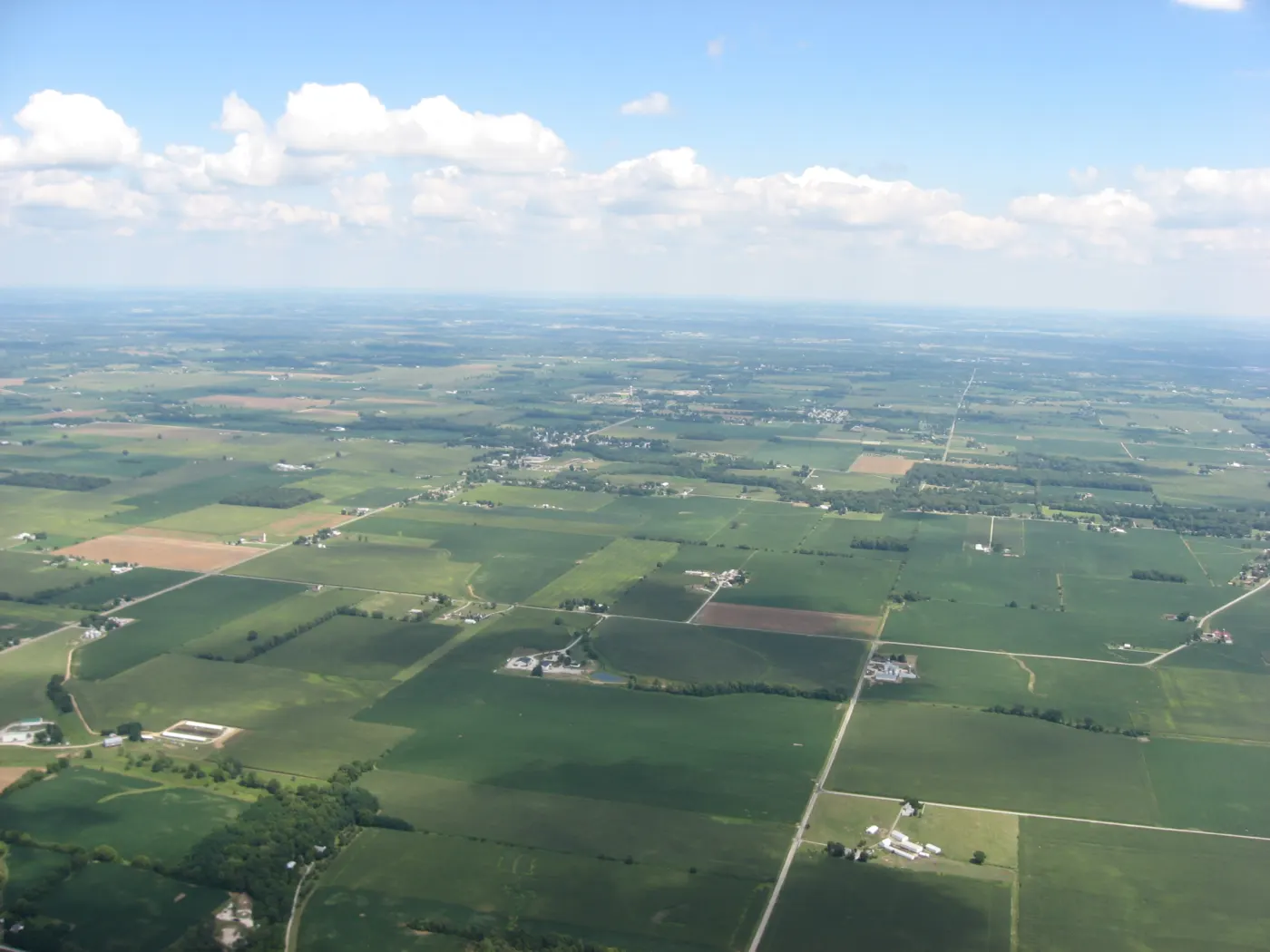
Connecting public services, campuses and communities where coverage is limited or cabling is impractical.
What the network needs to do
Publicly owned wireless infrastructure gives governments and institutions a long-term platform without recurring operator fees. It can reach areas where commercial coverage is limited.
- Links between government buildings and hospitals
- Connectivity for remote communities
- Safe campus surveillance
- A network the public body owns and controls
- A platform for future public services
A province-wide network
The Province of La Union in the Philippines covers 1,504 km² of mostly mountainous terrain with limited 4G coverage, and its furthest village is 50 km from the capital. A 230 km wireless backbone mixing ring, point-to-point and mesh links connects five hospitals, twenty municipalities and government buildings, with a longest link of more than 17 km and 300 Mbps end to end.
Owned by the public body
A province- or city-owned network has no recurring operator fees and no per-gigabyte charges. Once built, it becomes a platform for any public service: hospital IT, CCTV, disaster management, and Wi-Fi access for villages. It can be extended as new sites and services are added.
Islands and remote sites
Where there is no fibre and little mobile coverage, long wireless links bridge water and desert. Across islands and inland sites in Saudi Arabia, high-capacity backhaul delivers up to 600 Mbps per site over links of 5 to 20 km.
Schools and campuses
Campuses need surveillance at entrances, car parks and outdoor areas, but cabling between buildings disrupts teaching. At Fung Kai School Group in Hong Kong, a rooftop mesh ring links four schools on a 100,000 m² campus, installed during term time without disturbing lessons.
Hospitals
Hospitals need reliable, low-latency links for IT systems and security. In La Union, the wireless backbone carries hospital IT, and in Sweden a hospital construction site had video surveillance running in less than 12 hours.
Solutions for this industry
Long-Distance Wireless Backhaul
Connect remote sites, islands and provinces with fibre-like wireless links, where cabling is impractical or too costly.
Learn more →Video Surveillance Backhaul
Bring HD and 4K camera feeds back to the control room without trenching, across a self-healing wireless network.
Learn more →Customer stories
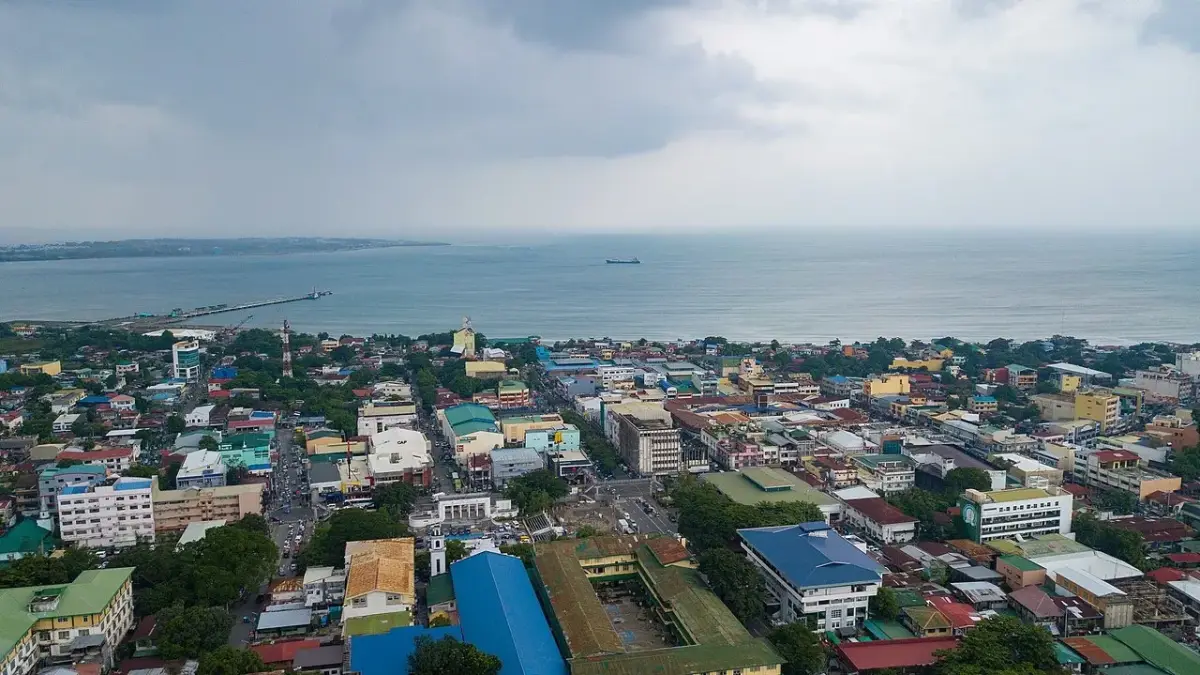
Province of La Union · La Union, The Philippines
A 230 km wireless backbone for a rural province
Connecting five hospitals, twenty municipalities and government buildings in mountainous terrain.
Read the story →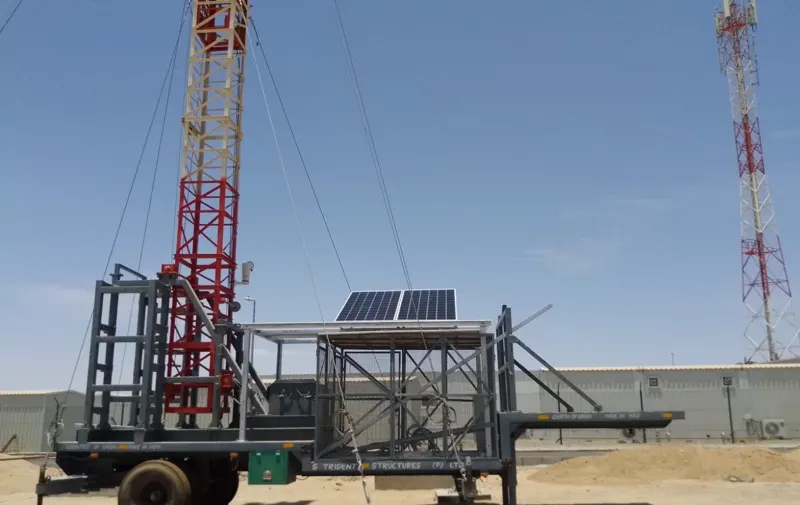
Red Sea Global · Saudi Arabia
High-capacity backhaul for island and inland sites
Connecting five islands and five inland sites across coast and desert.
Read the story →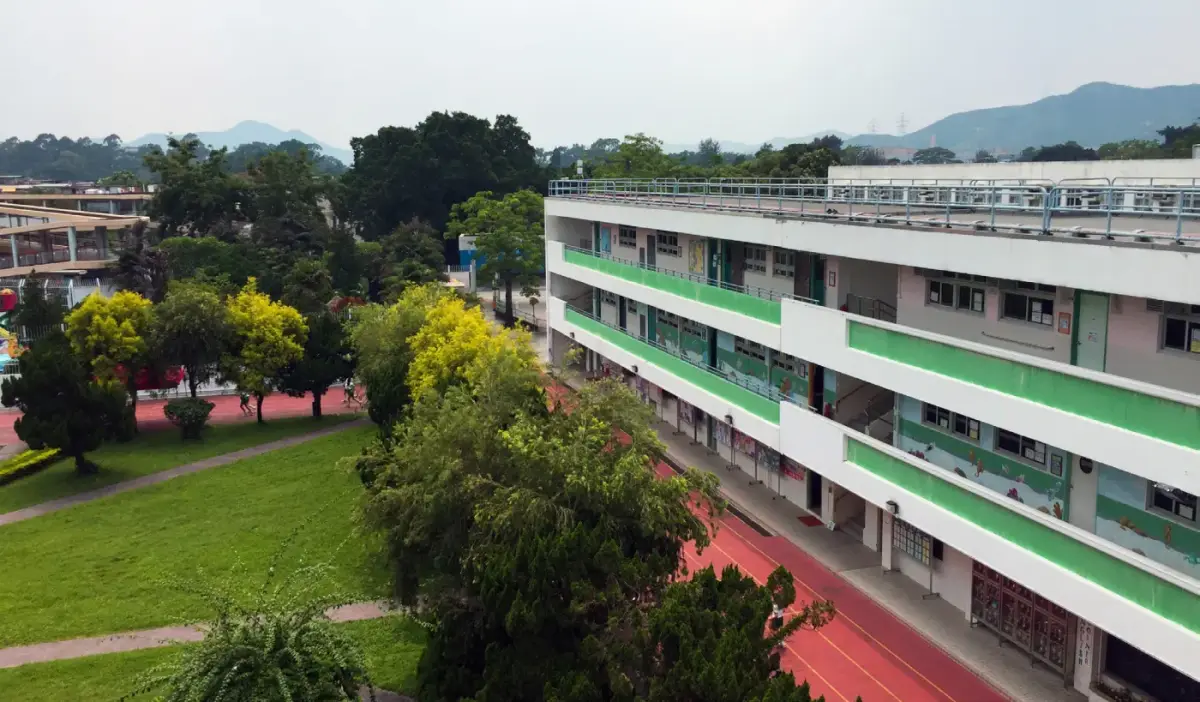
Fung Kai School Group · Hong Kong
Rapid safe campus surveillance without cabling between schools
A rooftop mesh ring linking four schools on a 100,000 m² campus, installed during term time without disturbing lessons.
Read the story →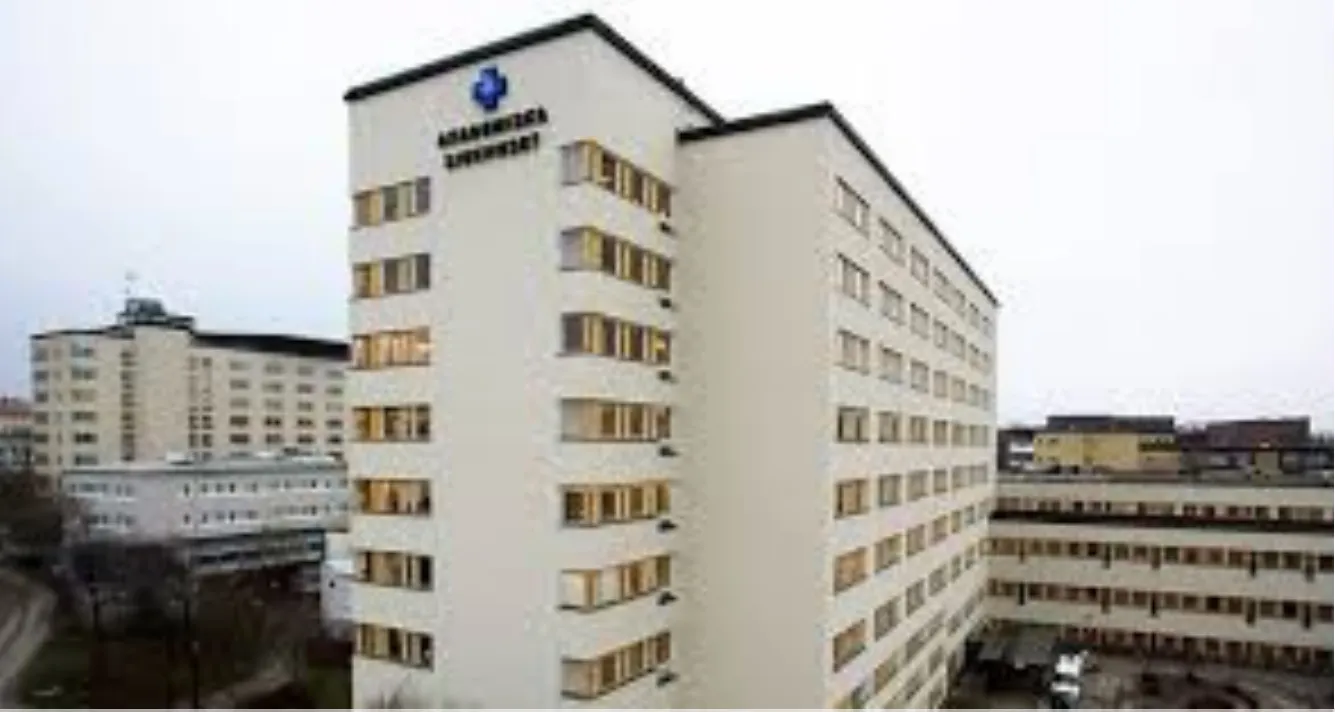
Akademiska Hospital · Sweden
Video surveillance for a hospital construction site in under 12 hours
A 5-hop mesh ring on poles and rooftops, with no clear line of sight from the control room.
Read the story →Frequently asked questions
How long does a province-wide network take to build?
Far less time than fibre, because there is no trenching. Province-wide wireless installations can be deployed within weeks, depending on the number of sites.
How far can one link reach?
Links can be designed for up to 24 km, depending on antennas, throughput and the radio path. In La Union, the longest link is more than 17 km.
Who owns and runs the network?
The public body owns it. Anywhere Node Manager gives its team or integrator one place to set up, monitor and maintain the network.
Further reading
Solution note
Connected Provinces
Province-owned wireless networks for public services and growth.
Download PDF →Insight
Point-to-Point and Point-to-Multipoint Links in a Mesh Network
When a point-to-point or point-to-multipoint wireless link is the right tool, how far links can reach, and how they combine with a self-healing mesh backbone.
Read →Insight
Wireless or Fibre for CCTV and Critical Infrastructure?
How wireless compares with fibre for CCTV and critical networks: what drives the cost of each, installation time, bandwidth, reliability and security.
Read →Insight
What Is a Self-Healing Wireless Mesh?
How a self-healing wireless mesh keeps traffic moving when a link fails: multiple paths, automatic rerouting, path selection, multi-hop capacity and uses.
Read →Talk to us about government, education & rural connectivity
Our team can help you work out the right solution for your site.