
Industry
Mining, Oil & Gas
Rugged connectivity for remote, changing sites, supporting operations, telemetry and workforce safety.
What the network needs to do
Mining and energy sites are remote and constantly changing, which makes fixed cabling costly and quickly out of date. Wireless mesh can be redeployed as the site evolves, and can run on solar power where mains supply is not available.
- SCADA and process control
- Fleet management and mobile equipment telemetry
- Workforce and perimeter safety systems
- Video surveillance across remote areas
- Networks that can move as the site changes
Connecting the whole site
A remote mine or energy site may reach the outside world by satellite, but inside the site everything still has to be connected: the pit, the plant, the loading area, offices and camps. A wireless mesh forms that internal network, carrying SCADA, fleet management, field sensors, video surveillance and access control together.
Moving vehicles and autonomous equipment
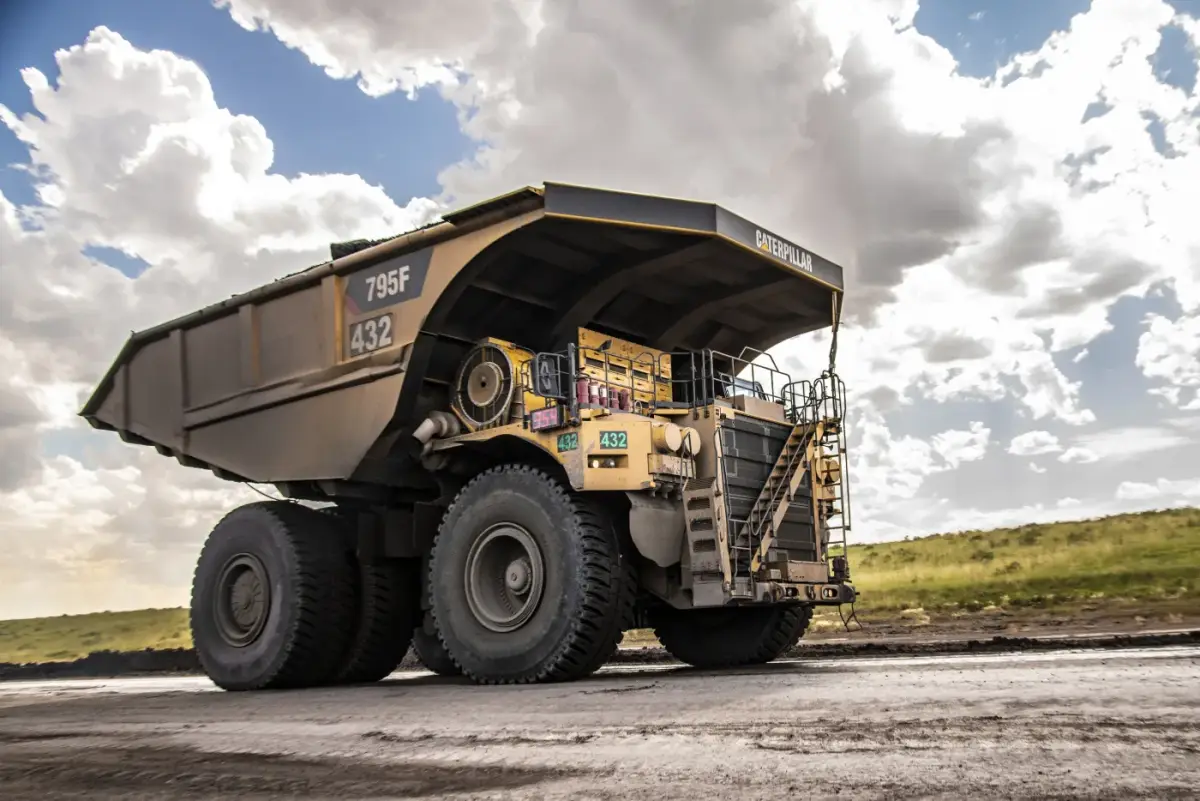
Trucks, loaders, utility vehicles, reclaimers and stackers need connectivity while they move. Anywhere nodes run in mobile mode on vehicles and in static mode around the site, so the same network covers fixed points and moving equipment.
Workforce and site safety
Cameras, detectors, perimeter protection and access control all depend on the network, and so does security for staff accommodation on site. Video from remote areas can be brought back to the control room without trenching across the site.
A network that moves with the site
Pits deepen and plants expand, so fixed cabling quickly ends up in the wrong place. Nodes can be relocated as the site changes, and run on solar power where there is no mains supply, as on the solar-powered perimeter surveillance at a refinery in Sharjah.
Rugged hardware
Anywhere nodes are rated IP67, with 2 kV surge protection and operating temperatures from -35°C to 65°C on the AX52e, for dust, heat and exposed locations.
Solutions for this industry
Wireless for Moving Assets
Keep cranes, vehicles and mobile equipment connected while they move, with reliable video and data links.
Learn more →Long-Distance Wireless Backhaul
Connect remote sites, islands and provinces with fibre-like wireless links, where cabling is impractical or too costly.
Learn more →Video Surveillance Backhaul
Bring HD and 4K camera feeds back to the control room without trenching, across a self-healing wireless network.
Learn more →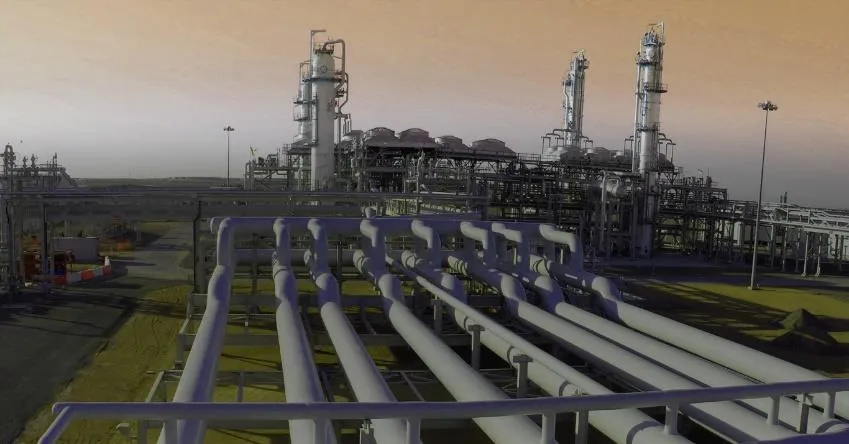
Frequently asked questions
Can the network cover moving vehicles as well as fixed sites?
Yes. Nodes in mobile mode on vehicles connect to static nodes around the site, with make-before-break handover typically within 5 ms.
What if there is no power at a camera position?
Nodes and cameras can run on solar power, which is common on perimeters and remote parts of a site.
How does it connect to the outside world?
The mesh carries traffic around the site to one or more drop-off points, which connect to whatever external link the site uses, such as fibre, microwave or satellite.
Further reading
Solution note
Mining
Connectivity for autonomous operations and workforce safety.
Download PDF →Insight
What Is a Self-Healing Wireless Mesh?
How a self-healing wireless mesh keeps traffic moving when a link fails: multiple paths, automatic rerouting, path selection, multi-hop capacity and uses.
Read →Insight
Wireless Surveillance for Temporary Sites, Construction and Events
How to set up CCTV quickly where there is no permanent network: construction sites, festivals, events and emergencies, using a self-healing wireless mesh.
Read →Insight
Point-to-Point and Point-to-Multipoint Links in a Mesh Network
When a point-to-point or point-to-multipoint wireless link is the right tool, how far links can reach, and how they combine with a self-healing mesh backbone.
Read →Talk to us about mining, oil & gas connectivity
Our team can help you work out the right solution for your site.